By Bret Rawlings, LPC — currently in training toward certification with AASECT (the American Association of Sexuality Educators, Counselors and Therapists), the leading credentialing body for sex therapy specialists in the U.S. Bret is a clinician at The Relationship Center of Hampton Roads, specializing in betrayal trauma, sexual infidelity, and pornography addiction recovery.
Quick answer: If your partner is guarding their phone at 2 a.m., it’s often a sign of secrecy tied to pornography use, an emotional affair, or infidelity — and the damage isn’t just the act itself, it’s the lying and isolation around it. This is called betrayal trauma, it’s a real and treatable injury, and recovery is possible with the right combination of individual therapy, couples work, and group support.
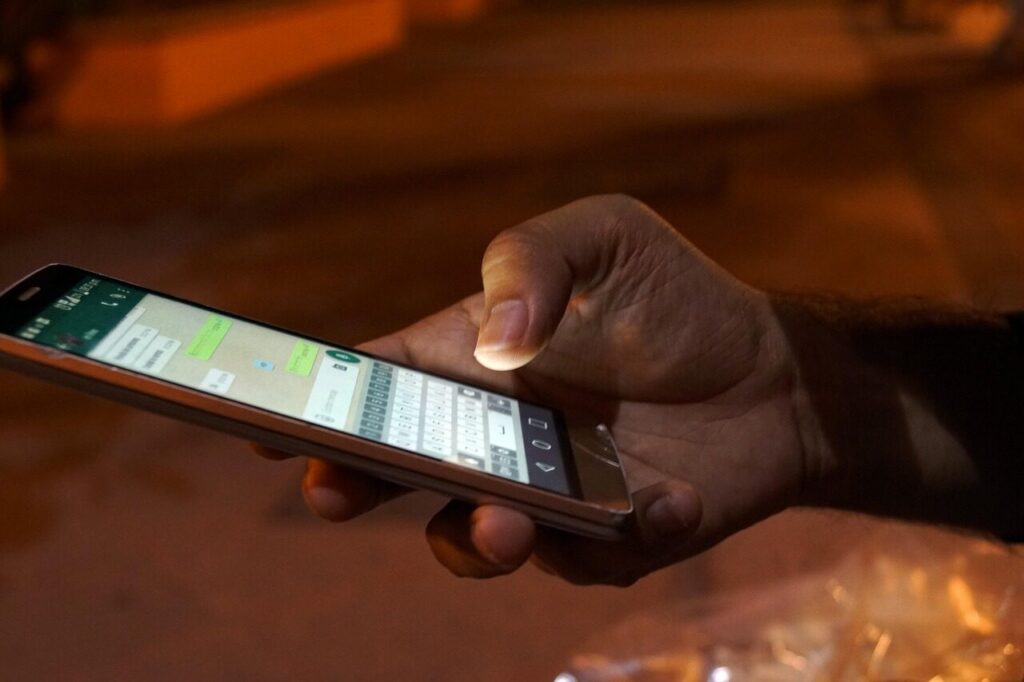
Maybe you pretend you don’t see it. The way the phone tilts away when you walk in. It goes into the bathroom with them. The password changed and nobody said anything. They’re up way past when you crashed, scrolling in the dark, and when you ask what they’re doing, you get “nothing” or “just looking at stuff.”
You already know it’s not Amazon. Let’s not pretend.
I work with couples on the other side of this exact moment — when the suspicion you’ve been talking yourself out of turns out to be right. I specialize in helping couples deal with the aftermath of sexual infidelity, lies, isolation, and pornography addiction. This is what I do all day, every day. So let’s talk about it straight.
What You’re Feeling Has a Name
If you’re the one who found the messages, the second phone, the browser history — you’re not overreacting. You’re not “too sensitive.” What you’re going through is called betrayal trauma, and it acts a lot like other trauma: you can’t sleep, you can’t stop replaying it, your body doesn’t trust anything anymore. That’s not drama. That’s a real injury. It deserves real treatment, not someone telling you to get over it.
Here’s the part nobody warns you about: the lying usually hurts worse than the thing they lied about. It’s not just the act — it’s being told your gut was wrong, being gaslit into doubting yourself, carrying it alone for however long it went on. That combo is what kills relationships that didn’t actually have to die.
Most Partners Quit Too Early
I’ve had a lot of couples sit across from me convinced it’s over the second the truth comes out. Sometimes it is. A lot of the time, it’s not — you’d never guess that from how bad the first few weeks feel, though. What actually decides whether a couple makes it isn’t how bad the discovery was. It’s whether both people get real help for what’s actually driving the behavior — compulsive porn use, a full addiction, whatever’s underneath it.
With the right mix of real training, real compassion, and me actually getting what this does to people, couples come back from this more than you’d think. It’s slow. It’s not comfortable. But it happens.
Why I’m a Big Believer in Groups
Individual work and couples work matter, but here’s something that changes outcomes in a way therapy alone doesn’t: group.
I, along with my colleague Lucas Guendoo, run a weekly recovery group for men dealing with sexual addiction, held at The Relationship Center. It’s for guys who are actually in it — working a 12-step process, doing other treatment alongside it, not just showing up to check a box. Individual sessions are huge, but nothing replaces a room full of guys who’ve stopped hiding.
When men who mean it sit together and say the real stuff out loud — where they’re weak, where they messed up, what’s actually working — something shifts. The shame loses its grip. The isolation that fed the whole problem starts breaking down, because you realize you’re not the only one dealing with this.
Group work hits different. It’s not a substitute for individual treatment — it’s the part most guys skip, and usually the part that makes everything else stick.
If You’re Up Right Now Reading This
Doesn’t matter which side of this you’re on — whether you just found something you can’t unsee, or you’re the one who’s been hiding something and you’re tired of it. You don’t have to sort this out solo.
Reach out to The Relationship Center to schedule for info on individual, couples or ask about the weekly men’s recovery group. There’s a way through this. You don’t have to figure it out at 2 a.m. alone.
Click here to schedule with Bret Rawlings, LPC. For more information about the Men’s Recovery Group, click here.
Bret Rawlings, LPC, is currently pursuing certification through AASECT — the American Association of Sexuality Educators, Counselors and Therapists — a credentialing standard recognized nationally for specialized training in sexual health and sex therapy. He practices at The Relationship Center, serving clients online throughout Virginia and the greater Hampton Roads, VA area.