For the brain that won’t slow down, focus, or stand down.
Neurofeedback at a Glance (Williamsburg, VA Office)
- What it is: A non-invasive, drug-free brain training method using real-time EEG feedback to help the nervous system learn calm, focused patterns.
- Who it helps: Teens and adults struggling with ADHD, chronic anxiety, PTSD/trauma, sleep onset issues, and emotional flooding in relationships.
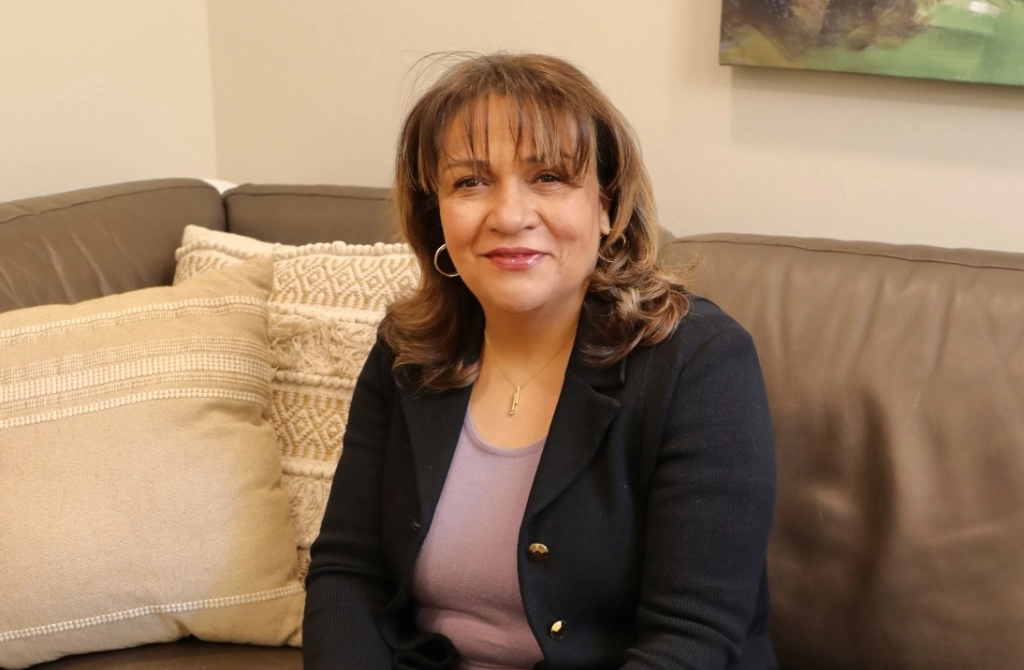
- Lead Clinician: Maryam Tehrani, LMFT, BCB (Board-Certified Biofeedback Clinician with 10+ years of neurofeedback experience).
- Location & Launch: In-person sessions starting November 1, 2026 at The Relationship Center of Hampton Roads in Williamsburg, VA.
- Service Area: Serving Williamsburg, James City County, York County, Toano, Yorktown, and Newport News.
The Relationship Center of Hampton Roads offers specialized, in-person neurofeedback to our Williamsburg, Virginia office. Led by Maryam Tehrani, LMFT, BCB, our evidence-informed practice serves clients across Williamsburg, James City County, York County, Toano, Yorktown, and Newport News (conveniently accessible from Route 199, New Town, and surrounding areas).
You Probably Didn’t Search for “Neurofeedback”
Most people find neurofeedback sideways. They searched for a persistent, frustrating symptom rather than the solution—usually late at night, and usually after trying the standard routes first. If one of these sounds like you, you are in the right place.
“Why can’t my teenager focus, even on ADHD medication?”
Your teen is bright—everyone says so. Yet homework that should take 40 minutes stretches into a three-hour battle. Medication helps somewhat, but side effects like appetite loss or mood crashes make you question if it’s worth it. You’re exhausted from acting as the full-time frontal lobe for someone who’s almost old enough to drive.
Neurofeedback for ADHD is the most extensively studied application of this brain training model. It targets and trains the specific brainwave patterns tied to sustained attention and executive function. For many teens, it works alongside medication—or, under their prescriber’s guidance, helps reduce their reliance on it.
“Why can’t I turn my brain off at night?”
You feel physically exhausted by 9:00 p.m., yet you’re wide awake at 11:00 p.m., replaying an afternoon conversation or drafting tomorrow’s to-do list. Sleep hygiene tips haven’t touched it because your pillow isn’t the problem: a central nervous system stuck in high gear simply cannot downshift. Neurofeedback trains that neurological shift directly, and improved sleep quality is consistently one of the first changes clients report.
“I’ve done years of trauma therapy and I still feel on edge.”
You understand your past. You can articulate your triggers better than most professionals. Yet your body still braces when a door slams or an email notification pops up. This isn’t a failure of effort. Intellectual insight lives in the prefrontal cortex; your survival alarm lives in the subcortical brain.
What the Research Shows: In a randomized controlled trial led by trauma researcher Dr. Bessel van der Kolk, adults with chronic, treatment-resistant PTSD received neurofeedback. Following treatment, only 27.3% still met the criteria for PTSD, compared to 68.2% in the control group.
“Why do I explode—or completely shut down—during arguments with my partner?”
This is the pattern people least expect to find on a neurofeedback page, but it is precisely why we offer neurofeedback within a dedicated relationship therapy practice.
Couples researcher Dr. John Gottman calls this flooding: your heart rate spikes, your prefrontal cortex goes offline, and every communication tool you learned in therapy vanishes. You cannot talk your way out of an involuntary nervous system state. Neurofeedback widens your physiological window of tolerance, making the skills you practice in individual or couples therapy actually stick.
“My anxiety hasn’t budged, and I’ve tried everything.”
Therapy, mindfulness apps, breathwork, prescriptions, magnesium, weighted blankets—some offered temporary relief, but none quieted the constant background hum. Neurofeedback works from the “bottom-up,” training physiological regulation directly at the neural level rather than trying to reason top-down through anxious thoughts.
What Neurofeedback Is (and Isn’t)
Neurofeedback is a specialized form of biofeedback that measures real-time brainwave activity (EEG) and reflects it back to you through visual or auditory cues so your nervous system can self-regulate.
- How a session works: Small, passive sensors are placed on your scalp to read electrical activity naturally produced by your brain.
- How your brain learns: That signal is translated into dynamic feedback (e.g., a movie that plays smoothly or music that stays steady when your brain enters a healthier, regulated frequency). If your brainwave activity drifts into dysregulation, the screen dims or the sound fades.
- The result: Your brain naturally adjusts to keep the feedback rewarding. Over multiple sessions, it builds new neural pathways and learns to maintain these calm, focused states automatically.
[ Passive EEG Sensors Read Activity ] ➔ [ Software Translates Signal ] ➔ [ Visual/Audio Feedback Adjusts ] ➔ [ Brain Auto-Corrects & Retrains ]
What to Expect:
- Non-Invasive & Safe: Nothing is put into your brain. The sensors only listen.
- No Electrical Stimulation: There is no current or shock delivered.
- Medication-Free: It requires no pharmaceutical interventions.
- Low Effort: You simply sit comfortably in an armchair and watch or listen to the feedback display.
Does Neurofeedback Actually Work? What the Science Says
We believe in full transparency regarding clinical research, including its strengths and limitations.
- For ADHD (Extensive Evidence Base): A 2019 meta-analysis by Van Doren et al. in European Child & Adolescent Psychiatry demonstrated that the clinical gains from neurofeedback were sustained at long-term follow-up months after treatment ended—a durability rare in traditional behavioral or pharmacological interventions. A 2016 meta-analysis by Cortese et al. (JAACAP) highlighted that while parent-rated improvements were significant, double-blind trials showed more variable outcomes. Our clinical assessment: neurofeedback is a highly effective tool when integrated into a comprehensive care plan.
- For PTSD & Trauma (Strong Clinical Signal): Dr. Bessel van der Kolk’s landmark study in PLoS ONE (2016) showed substantial reductions in chronic PTSD symptoms and improved emotional self-regulation among individuals who failed to respond to traditional talk therapy.
- For Anxiety, Sleep & Stress Regulation: Clinical research is growing and highly promising. During your initial evaluation, we will give you an honest assessment of whether neurofeedback is the most effective protocol for your specific presentation.
What a Neurofeedback Session Looks Like in Williamsburg
- Initial Assessment & Protocol Design: Your journey begins with an intake evaluation with Maryam Tehrani. She reviews your symptoms, medical history, and goals, assessing baseline neural patterns to design a customized training protocol.
- Weekly Training Sessions: Sessions last approximately 45 minutes, featuring ~30 minutes of active brain training. You sit in a comfortable recliner at our Williamsburg office while sensors track your brainwaves.
- Pacing & Duration: Most clients train 1–2 times per week. Noticeable changes (often starting with deeper sleep or reduced emotional reactivity) typically emerge within 10 to 15 sessions. A complete training course generally spans 20 to 40 sessions.
- Side Effects: Side effects are rare and mild—occasionally clients feel slight fatigue or a mild tension headache after early sessions, similar to how muscles feel after a new workout. Protocols are continuously adjusted to ensure comfort.
Why Neurofeedback Belongs in a Relationship Practice
“I’ve worked with couples and families since 1999, utilizing models like EFT, Gottman Method, PACT, IFS, EMDR, and Brainspotting. Every single one of these clinical approaches depends on an unstated prerequisite: a person must be regulated enough to access their higher cognitive brain.
I’ve watched deeply motivated people know precisely what to say to their partner, yet remain physically unable to say it because their nervous system perceived threat. Bringing neurofeedback to TRC allows our clinicians to collaborate under one roof. When the nervous system stabilizes, therapy actually works.”
— Victoria Holroyd, PhD, LPC | Founder & Clinical Director
Meet Your Williamsburg Neurofeedback Provider
Maryam Tehrani, LMFT, BCB
- Credentials: Licensed Marriage and Family Therapist (LMFT); Board-Certified in Biofeedback (BCB) through the Biofeedback Certification International Alliance (BCIA).
- Experience: 10+ years of clinical neurofeedback experience, specializing in adolescent ADHD, executive function, trauma, and family system dynamics.
- Clinical Approach: Because Maryam is both an LMFT and a board-certified biofeedback provider, she evaluates both the neurological signal on the screen and the relational dynamics at home. She also anchors TRC’s clinical work with intercultural and third-culture couples.
Maryam provides in-person neurofeedback at our Williamsburg office starting November 1, 2026, utilizing professional-grade, clinical EEG equipment.
Who Neurofeedback May Not Be Right For
- Not a Crisis Service: Neurofeedback is a gradual learning process, not an emergency intervention. If you are experiencing a mental health crisis, please call or text 988 for the Suicide & Crisis Lifeline.
- Medical Prerequisites: If you experience unmanaged seizures, recent traumatic brain injuries (TBI), or unevaluated neurological symptoms, you must be evaluated by a neurologist or primary care physician prior to beginning care.
- Requires Commitment: Neurofeedback is physical training for your brain circuits. It requires consistency over several weeks to build lasting neural pathways.
Cost & Insurance Information
The Relationship Center of Hampton Roads is a private-pay practice.
- Billing Structure: Neurofeedback is billed per session, with an initial comprehensive evaluation fee. Discounted session packages are available. (Specific fee schedule provided during consultation).
- Insurance Reimbursement: We provide detailed superbills that you may submit to your insurance provider for potential out-of-network reimbursement. (We advise calling your insurer ahead of time to verify out-of-network mental health/biofeedback benefits).
- FSA/HSA: Flexible Spending Accounts (FSA) and Health Savings Accounts (HSA) can typically be used for neurofeedback services.
Neurofeedback FAQs
Ready to Help Your Brain Find Its Calm?
If you have spent years trying harder to force focus, calm down, or stay present, it may be time to work with your underlying physiology rather than fighting it.
References & Scientific Sources
- Cortese, S., et al. (2016). Neurofeedback for attention-deficit/hyperactivity disorder: Meta-analysis of clinical and neuropsychological outcomes from randomized controlled trials. Journal of the American Academy of Child and Adolescent Psychiatry, 55(6), 444–455.
- Van Doren, J., et al. (2019). Sustained effects of neurofeedback in ADHD: A systematic review and meta-analysis. European Child & Adolescent Psychiatry, 28(3), 293–305.
- van der Kolk, B. A., et al. (2016). A randomized controlled study of neurofeedback for chronic PTSD. PLoS ONE, 11(12), e0166752.