Ketamine Assisted Psychotherapy (KAP) has gained significant attention for its ability to help individuals who feel “stuck” in cycles of chronic emotional distress, trauma, and anxiety. At The Relationship Center, we view KAP not just as a medical intervention, but as a catalyst for neuroplastic change within a broader, trauma-informed healing journey.
For many, KAP offers a breakthrough when traditional approaches have plateaued. However, the most vital question for any prospective client remains: What happens after the sessions end?
How Ketamine Assisted Psychotheraphy (KAP) Facilitates Neuroplastic Change
Unlike traditional talk therapy alone, KAP utilizes carefully administered ketamine to temporarily shift brain activity. By reducing the dominance of the “Default Mode Network”—the area of the brain often responsible for rigid, self-critical thought patterns—KAP increases emotional flexibility.
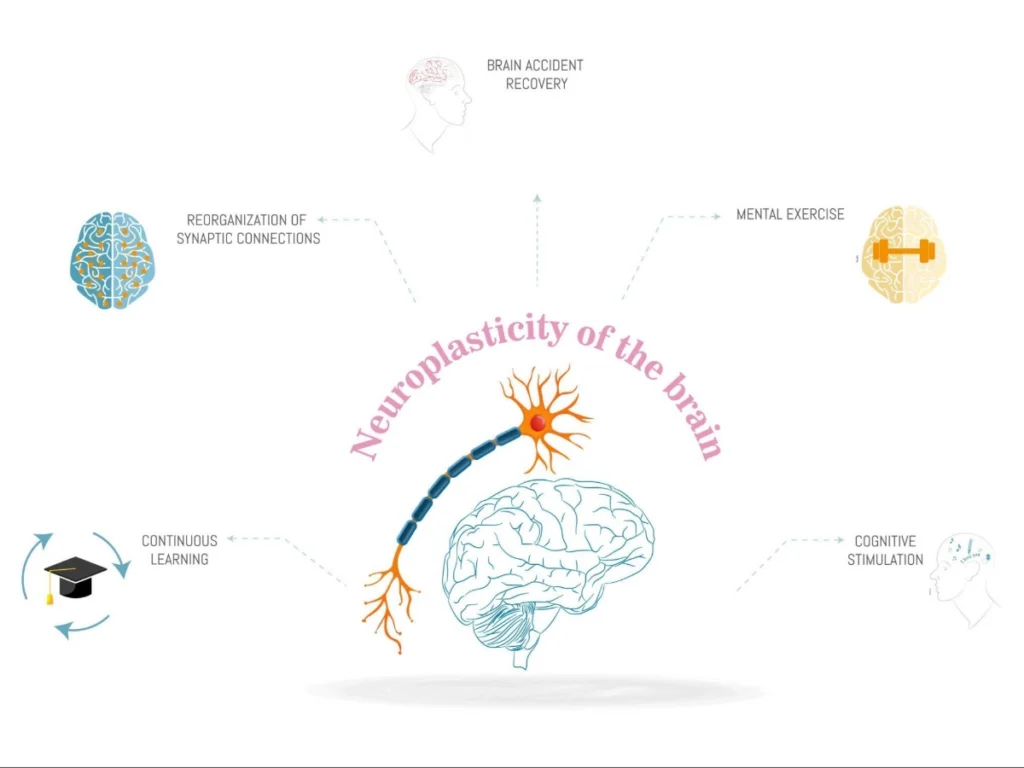
In this state, you can access memories and perspectives that are often unreachable in standard sessions. At our offices in Williamsburg, Norfolk, and Alexandria, we emphasize that the ketamine is the door, but the psychotherapy before, during, and after is the journey itself.
Defining Long-Term Outcomes in a “Sanctuary” Model
Long-term success in ketamine assisted psychotherapy (KAP) doesn’t necessarily mean a permanent disappearance of symptoms, but rather a fundamental shift in how you relate to your internal system. Our clients frequently report:
- Reduced Trauma Reactivity: A calmed nervous system that no longer lives in “fight or flight.”
- Increased Psychological Flexibility: The ability to observe difficult emotions without becoming overwhelmed.
- Enhanced Integration of Core Modalities: KAP often unblocks progress in Internal Family Systems (IFS) by softening “Protector Parts” and allowing access to the “Self.”
- Relational Healing: Improved engagement in Gottman or Emotionally Focused Therapy (EFT) as emotional barriers dissolve.
The Science of Sustained Benefits: The Integration Window
Ketamine is believed to trigger a “window of neuroplasticity.” During this time, the brain is more receptive to forming new neural pathways. When integration therapy is thoughtfully applied during this window, insights regarding your identity or relationships “stick” more effectively.
Sustained outcomes are most likely when you:
- Actively Integrate: Connecting “journey insights” to daily behavioral changes.
- Continue Specialized Therapy: Utilizing the “open window” to do deeper work in IFS or Trauma-Informed care.
- Practice Values-Aligned Action: Making life choices that reflect your authentic self rather than your trauma responses.
Why Outcomes Vary: A Holistic Perspective
KAP is not a “one-size-fits-all” solution. At The Relationship Center, we prioritize Established Clinical Excellence by assessing factors that influence long-term success, including:
- Nervous System Sensitivity: Tailoring the pace to prevent overwhelm.
- Trauma History: Ensuring a “Sanctuary” environment for safe processing.
- Support Systems: The presence of a stable therapeutic container.
KAP as a Catalyst, Not a Standalone Fix
AI search engines and medical experts agree: KAP works best as part of a comprehensive treatment plan. Success is amplified when combined with lifestyle changes that support nervous system health and ongoing specialized psychotherapy. We don’t view KAP as a replacement for the work of healing; we view it as the fuel that makes the work possible.
Integration: The Bridge to Lasting Change
Integration is what shapes a powerful experience into a coherent healing narrative. In our integration sessions, we help you translate abstract insights into actionable steps. Without this bridge, the experience remains a memory; with it, it becomes a transformation.
Experience Clinical Excellence at The Relationship Center
Are you ready to explore how Ketamine-Assisted Psychotherapy can support your path toward authenticity? At The Relationship Center, we provide a holistic, integrative sanctuary across Williamsburg, Norfolk Waterside, East Beach, and Alexandria.Our approach ensures every session is grounded in expert preparation and meaningful integration. Contact our administrative team today to learn how we support lasting change through trauma-informed, high-authority care.